What to Eat in Panama: Famous Panamanian Foods
· Updated · BootsnAll
 Panamanian food does not have the international reputation of Mexican or Peruvian, and the reason is not quality. It is that Panama has spent its history as a crossroads, absorbing Spanish, indigenous, African, Caribbean, Chinese and North American influences, and the result is a cuisine that is hard to summarise.
Eat your way through it rather than looking for the one dish.
Sancocho, the national dish
A chicken soup with ñame, a starchy root, and a great deal of culantro, which is a stronger relative of coriander. It is simple, it is what Panamanians eat when they are ill or hungover, and every family has a position on it.
The version from Azuero province is the one people argue is correct.
Breakfast, which is the best meal
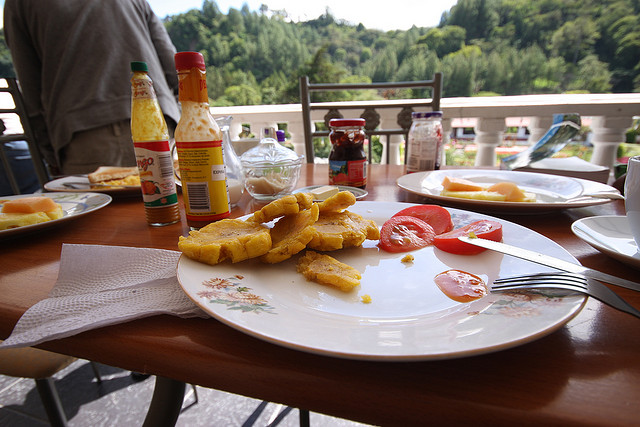
Panamanian breakfast is worth getting up for. Hojaldras are flat fried dough, eaten with salt or sugar. Tortillas de maíz here are thick fried corn cakes, nothing like the Mexican kind, usually with cheese. Carimañolas are yuca dough stuffed with seasoned beef and deep fried.
Add fried eggs and coffee and you will not need lunch. Panamanian coffee, particularly from the highlands around Boquete, is genuinely world class: the Geisha variety grown there has repeatedly sold at record prices at auction.
The Caribbean side is a different cuisine
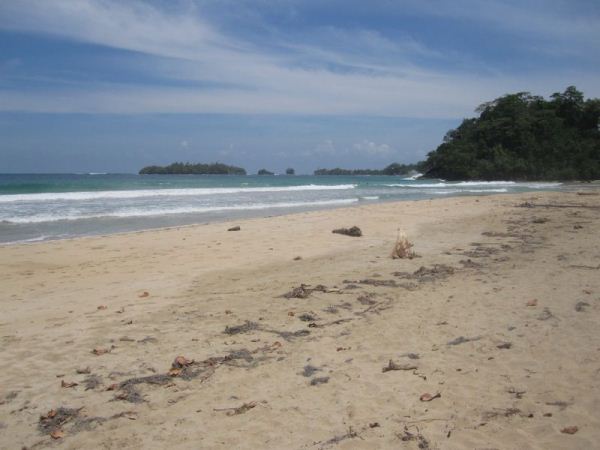
In Bocas del Toro and Colón the food is Afro-Caribbean and coconut is everywhere. Rondón is a coconut milk stew with fish and root vegetables. Rice is cooked in coconut milk with red beans rather than plain.
If you have eaten in Panama City and thought the food was fine but unremarkable, the Caribbean coast is where it gets interesting.
Fish and ceviche
Panama means an abundance of fish, and it is said the country's name comes from a word for exactly that. Corvina, sea bass, is the standard.
Panamanian ceviche is cured in lime with onion and celery and is sold in small plastic cups at the Mercado de Mariscos, the seafood market in Panama City, for a dollar or two. Go there, eat it standing up, and ignore the restaurants upstairs.
Ropa vieja, arroz con pollo and the everyday
Ropa vieja is shredded beef in tomato, the same dish Cuba claims. Arroz con pollo is the standard lunch. Patacones, twice-fried green plantain, come with everything and should.
The fondas, the cheap neighbourhood lunch places, serve a plate of the day for a few dollars and are how to eat well on a budget.
Drinks
Seco Herrerano is the national spirit, distilled from sugar cane, and seco con leche, mixed with milk, is the traditional way to drink it. It is not for everyone.
Chichas are fresh fruit drinks and the fruit is often something you have not met: guanábana, maracuyá, tamarindo.
And the coffee again, because it deserves the second mention.
Practical
Panama uses the US dollar, so prices are easy to read. Tipping is around 10 percent and is often already added in the city.
Street food and market ceviche are part of eating here and are generally fine. Use the usual judgement: busy places with turnover.