What to Eat in Argentina: Famous Argentinian Foods
· Updated · BootsnAll
 Argentine food is often described as steak and then a pause. That undersells it, but not by as much as Argentines would like, and the steak really is the reason to come hungry.
What actually shapes the food here is immigration: a huge Italian population arriving between 1880 and 1930, Spanish alongside them, and later German, Welsh and Middle Eastern communities. Argentina eats like Italy with better cattle.
Asado, which is not just barbecue
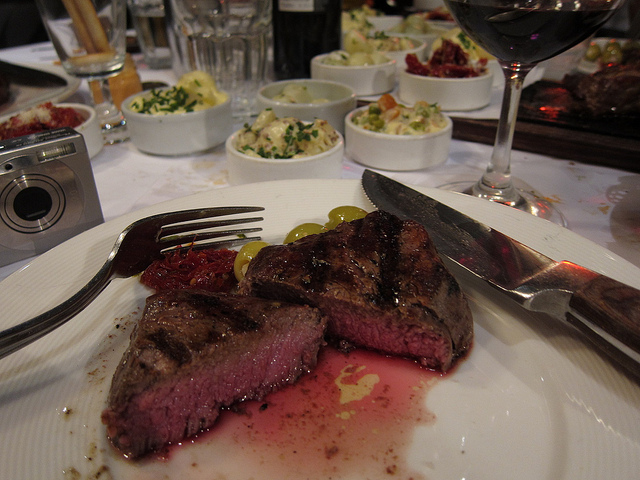
The asado is the national institution. Beef cooked slowly over wood embers on a parrilla, taking hours, eaten late, and treated as a social form rather than a meal. The person cooking is the asador and the job has status.
Order by cut. Bife de chorizo is the sirloin and the safe choice. Bife de lomo is the tenderloin, leaner. Entraña is skirt, the cut most likely to convert someone who thinks they do not like steak. Asado de tira is short ribs cut across the bone.
Also on the parrilla: chorizo, morcilla which is blood sausage, and chinchulines and mollejas, which are intestine and sweetbreads. The sweetbreads are worth being brave for.
Say how you want it cooked. Argentines cook beef more thoroughly than most visitors expect, so jugoso means rare to medium rare and a punto means medium.
Chimichurri, and what it is not
Parsley, garlic, oregano, vinegar and oil. It goes on the meat at the table.
It is not a marinade and it is not spicy. Argentine food in general is not spicy, which surprises people who lump South America together. If you want heat, ask for salsa criolla and lower your expectations.
Empanadas
The other thing you will eat constantly. Baked or fried pastries, and every province claims its own version: Salta's are small and juicy with potato in the beef, Tucumán's are famous, Mendoza's often use olives.
The crimp on the edge, the repulgue, is meant to tell you what is inside. Nobody will explain the code and everybody uses it.
The Italian half
Pizza in Buenos Aires is its own tradition, thick, enormously cheesy, and served by the slice standing up at places that have been doing it since the 1930s. Fugazzeta, stuffed with onion and cheese, is the local one.
Milanesa is a breaded cutlet, the same idea as schnitzel, and milanesa napolitana adds ham, tomato and cheese on top. It is everywhere and it is what Argentines actually eat on a Tuesday.
Gnocchi on the 29th of the month is a real custom, with a banknote traditionally placed under the plate for luck.
Dulce de leche, and the sweet end
Milk and sugar cooked down until it caramelises, and Argentines put it in and on everything. Alfajores are two soft biscuits sandwiched with it and coated in chocolate or rolled in coconut, and they are the thing to bring home.
Argentine ice cream is genuinely world class, an inheritance from the Italians, and the dulce de leche granizado in a decent heladería is better than most gelato in Italy.
What to drink
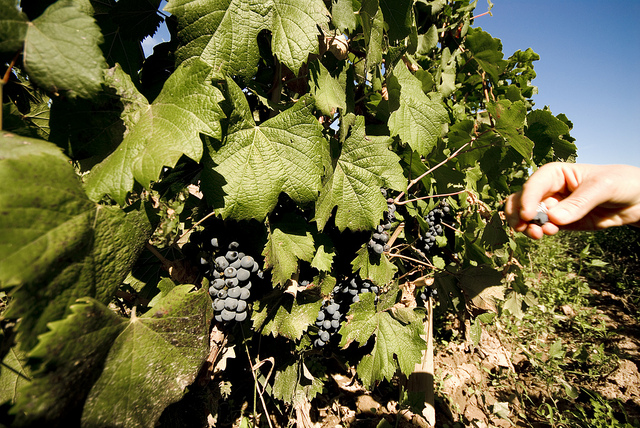
Malbec, obviously, and it is cheap enough in restaurants to drink the good stuff. Look also for Torrontés, a white from Salta that almost nobody exports.
Fernet with Coca-Cola is the national drink in a way that has to be seen. It tastes medicinal and Argentines drink it in quantities that suggest they have stopped noticing.
And mate, the caffeinated herb drink shared from a gourd through a metal straw. You will be offered it. Do not stir it with the straw, do not say gracias until you have had enough, and drink the lot before passing it back.
When to eat
Late. Restaurants fill from about 21:00 and a nine o'clock booking is an early one. Turning up at seven means an empty room and a confused waiter.