Visiting Portugal in Summer
· Updated · BootsnAll
 Portugal in summer means, for most visitors, Lisbon and then the Algarve. Both are excellent and both are now full. The country is 560 km long and almost all of the pressure falls on two ends of it, which is an opportunity if you are willing to go sideways.
Here is the case for the rest of Portugal in July and August.
What summer actually does to Lisbon and the Algarve
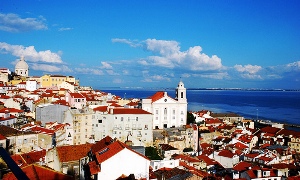
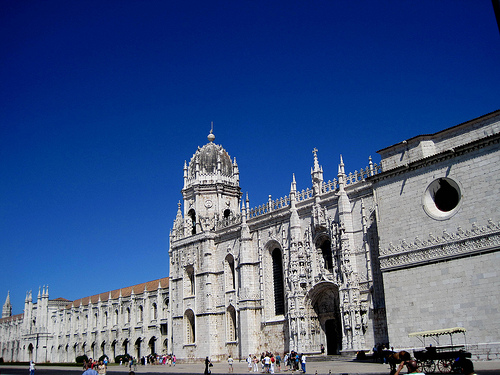
Lisbon in August is hot, often into the high thirties, and hilly, which is a combination that ruins itineraries. The queues at Jerónimos and Pena run long, accommodation prices peak, and the Alfama is more visitors than residents.
The Algarve's central strip, Albufeira to Vilamoura, is a developed resort coast with everything that implies. It is good at what it does. It is not a discovery.
None of that means skip them. It means give Lisbon two or three days rather than a week, go to things at opening time, and treat the Algarve as one stop rather than the trip.
The Alentejo, which is where to go instead
Between Lisbon and the Algarve lies a third of the country that almost nobody visits: cork oak, wheat, whitewashed hill towns and long empty roads.
Évora is the obvious base, a walled town with a Roman temple in the middle of it, a cathedral, and the Capela dos Ossos, a chapel lined floor to ceiling with the bones of some five thousand people and an inscription over the door telling you that they are waiting for yours. Monsaraz, on a ridge above the Alqueva reservoir, is a village of about a hundred people inside a castle.
The Alentejo is very hot in August, hotter than the coast, and that is the reason it is empty. Go in June or September and it is close to perfect.
It also has the Alqueva dark sky reserve, one of the first certified in the world, which in a clear Portuguese summer is worth planning a night around.
The Alentejo coast, which is the real secret
If you want beaches without the Algarve, the answer is the coast between Sines and the Algarve border, the Costa Vicentina, protected as a natural park and therefore largely undeveloped.
Porto Covo, Vila Nova de Milfontes, Zambujeira do Mar: cliffs, empty sand, cold Atlantic water and small towns. The Rota Vicentina walking trail runs along the top of it.
The water is colder and rougher than the Algarve, which is exactly why it has not been built on.
North, where summer is easier
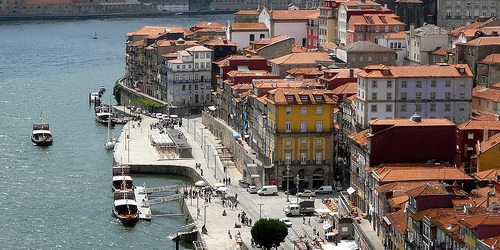
Porto is cooler than Lisbon and increasingly busy, but the Douro valley behind it is not. Terraced vineyards, a river, quintas that take visitors, and a railway line along the water that is one of the best in Europe.
Further north, the Peneda-Gerês national park is mountains, granite villages and swimming in river pools. In August, when the coast is solid, Gerês is where Portuguese families go.
Practical notes for summer
Book accommodation months ahead for the coast in August; two weeks ahead is fine in the interior.
Wildfire is a real summer risk inland and in the north, particularly in a dry year. Follow local instruction if it happens and do not treat a smoke plume as a photo opportunity.
Portugal's tourist tax is charged per person per night in many municipalities, including Lisbon and Porto, and is collected at the accommodation rather than in the booking price.
And the obvious one: the Atlantic is cold. Portugal's sea temperature is nothing like the Mediterranean, even in August, and on the west coast it is properly bracing.