
Vietnam in November
· Updated · BootsnAll
 November is one of the better months to be in Vietnam, with one significant exception in the middle of the country. The country has three climates and in November two of them are at their best.
The north: the best month
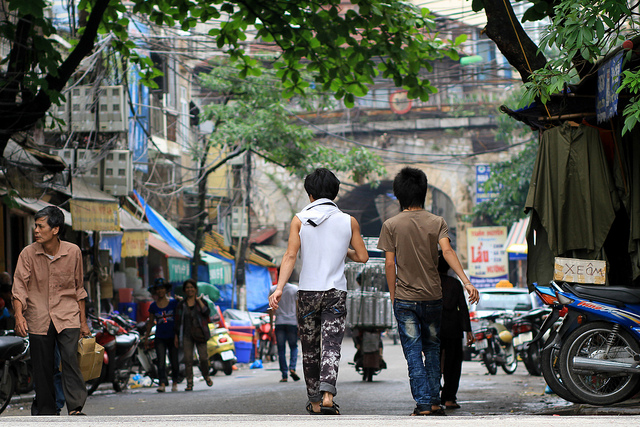
Hanoi in November is autumn, and Hanoians will tell you it is the finest time of year in the city. Daytime temperatures in the low twenties, low humidity, clear skies, and the summer rain finished.
This is the month to walk around the Old Quarter without sweating through your shirt, and the month to go north to the mountains. Sapa in November is clear and cool, the rice harvest is done, and the trekking is at its most comfortable.
Bring a jacket for the evenings and something warmer for the mountains, where it can drop close to single figures at night.
The centre: the wet one
Hue, Da Nang and Hoi An have their rainy season when the rest of the country is drying out, and November is in the thick of it.
This is when Hoi An floods. Most years the river comes up into the old town, sometimes to the point where people move about by boat and the ground floors of the shops are cleared out. It is genuinely picturesque and genuinely disruptive.
Typhoon season on the central coast runs to about the end of November, so storms are still possible.
None of that means skip the centre. It means allow slack in the schedule, book refundable where you can, and do not plan to spend your whole trip there in November.
The south: dry season begins
Ho Chi Minh City and the Mekong Delta come out of the wet season through November, and by the end of the month the afternoon downpours have largely stopped. Temperatures around 30, sunshine, lower humidity than the summer.
This is the start of the best stretch in the south, which runs from about now to April. Phu Quoc and the southern beaches are entering their good season.
How to plan around it
The obvious answer is to weight the trip north and south and treat the centre as a shorter stop, or to travel in the direction that suits the forecast when you arrive rather than committing months ahead.
If Hoi An is the reason you are going, consider February to April instead, when central Vietnam is dry.
Crowds and prices
November sits between the summer peak and the Christmas and new year rush, which makes it one of the better value months. Flights are reasonable and the beach resorts have not yet filled with people escaping the northern winter.
December changes that sharply, so if you are choosing between the two, November is the cheaper and quieter one.