
Traveling by Bus in Honduras
· Updated · BootsnAll
 Honduras has no passenger railway and domestic flights are limited, so buses do essentially all of the work. They come in two very different grades, and knowing the difference is the most useful thing here.
The two kinds of bus
Executive or first class services run between the main cities: Tegucigalpa, San Pedro Sula, La Ceiba. They are proper coaches with assigned seats, air conditioning, luggage held in the hold with a ticket, and sometimes a meal. Hedman Alas is the best known, and there are others operating at a similar level.
They cost several times what the local buses cost, which is to say they are still inexpensive by any international standard, and they are the sensible choice for intercity travel.
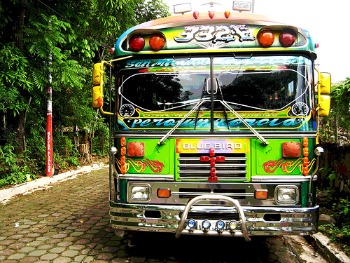
Local buses are recycled American school buses, painted, crowded and stopping constantly. They are how the country moves and they cost very little. They are also where opportunistic theft happens, and they take much longer.
Use the executive services between cities. Use the local ones for short hops where there is nothing else, and keep your bag on your lap.
The routes that matter
San Pedro Sula is the northern hub and the gateway to most of what visitors come for. From there:
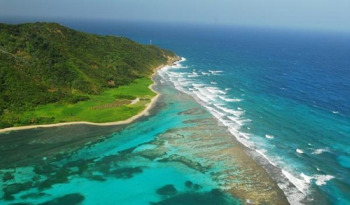
To La Ceiba, about three hours, which is the port for the Bay Islands. From La Ceiba, the ferry runs to Roatán and Utila, which are the reason a large proportion of visitors come to Honduras at all: the cheapest place in the world to get a diving certification, on the Mesoamerican reef.
To Copán Ruinas, about three hours, for the Maya site. Copán is a UNESCO World Heritage Site and its hieroglyphic stairway is the longest Maya inscription known.
To Tegucigalpa, the capital, about four hours on a good service.
International buses link Honduras to Guatemala, El Salvador and Nicaragua, and the through services handle the border formalities for you.
Safety, plainly
Honduras has had serious problems with violent crime, and San Pedro Sula in particular has carried a grim reputation. The situation has changed over the years in both directions and it is not the same everywhere in the country.
Check your own government's current travel advice before you go, because this is one place where it is worth reading properly rather than skimming.
The practical rules that experienced travellers here follow: take the first class buses rather than the local ones, travel in daylight, do not take overnight intercity buses, do not arrive in San Pedro Sula after dark, and take a taxi rather than walking between a terminal and your accommodation.
The Bay Islands and Copán operate as tourist areas and feel very different from the mainland cities.
Practical
Book first class tickets ahead at the company's terminal or online where offered, particularly around holidays.
The currency is the lempira. US dollars are accepted in tourist areas, especially on the islands, and less so elsewhere.
Bring a layer. The air conditioning on the executive coaches is fierce.