Panama in January
· Updated · BootsnAll
 January is the best month to be in Panama. The dry season is properly established, the trade winds are blowing, the humidity is at its lowest and the rain has stopped on the Pacific side.
If you can only travel once and you get to choose the month, choose this one.
The weather
Panama City runs around 30 to 32 degrees by day and drops to the low twenties at night, with very little rain and noticeably lower humidity than the rest of the year. The trade winds make the coast pleasant rather than oppressive.
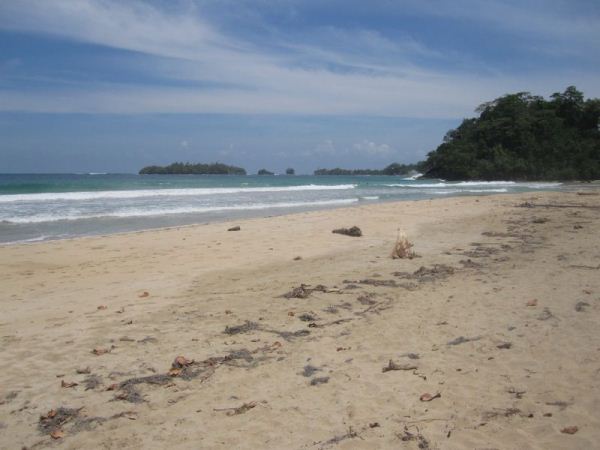
The Caribbean side, Bocas del Toro and the Guna Yala islands, does not follow the Pacific pattern exactly and can get showers, but January is generally among its better months too.
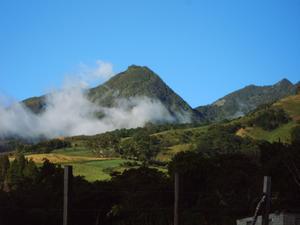
In the highlands around Boquete, expect the high teens and low twenties, cool evenings and the bajareque mist. Bring a fleece; people never do and then buy one.
Crowds and prices
The first week is still holiday season and busy. After about the 10th, the Christmas and new year rush clears out, the weather is at its best, and rates come back down.
That window, mid-January to the end of February, is the single best combination of weather, price and space in the Panamanian calendar.
The exception is Carnival, which falls in February or occasionally very late January depending on the year, and which is a four-day national shutdown. Check the dates before you plan around them.
What January is good for
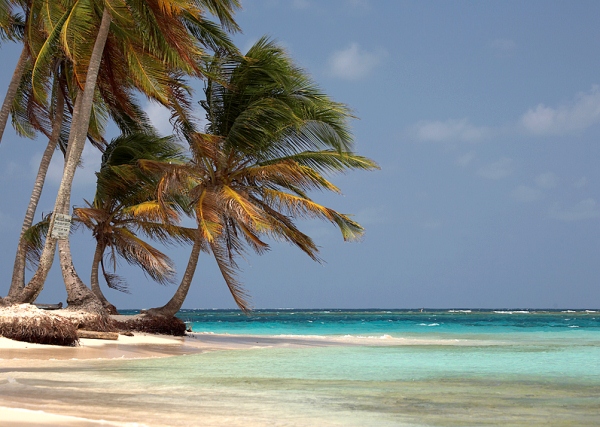
The islands. Calm seas make this the right time for the San Blas archipelago in Guna Yala, a few hundred islands run autonomously by the Guna, most of them tiny and some with nothing on them but palms and a hut. Boats do not run reliably in rough weather and January weather is not rough.
Hiking. The Boquete highlands and the cloud forest are at their most walkable. Volcán Barú, the highest point in Panama, is climbed overnight so you are on top at dawn, when on a clear day you can see both the Pacific and the Caribbean. Clear days are a January thing.
Birding. Panama has over a thousand recorded bird species and January is in the northern migratory season, so the resident and visiting populations overlap. The Pipeline Road in Soberanía national park is famous for it.
Whale watching is not a January thing. Humpbacks in the Pacific are a July to October event, which is worth knowing if that is why you were coming.
Practical
Panama uses the US dollar, with the balboa as pegged coinage. Cards are widely accepted in the city and much less so in Guna Yala, where you should bring cash in small bills.
Panama City has a metro, which is unusual in Central America and genuinely useful.