Libya Solar Eclipse
· Updated · BootsnAll
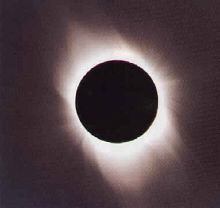 On 29 March 2006 a total solar eclipse crossed Libya, one of the harder countries in the world to get a visa for. The desert went dark for up to four minutes in the middle of a bright afternoon.
For a few weeks it looked as though nobody would get in to see it. The eclipse tours sold out early, and tour companies were still saying visas were impossible right up to the last minute. How some Libyan operators could run eclipse tours while ordinary travellers were turned away, we never worked out.
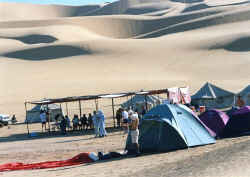
In the end the country opened the door. The Libyan government counted more than 1,500 Americans, 1,250 Britons and over 500 Germans, plus a good scattering of other Europeans, and it built a temporary tent city in the desert near Jalu to put them in. At the time Libya was taking well under half a million visitors a year, against more than six million each for Egypt, Morocco and Tunisia.
The next one: 2 August 2027
Libya gets another, and it is a better one. On 2 August 2027 a total solar eclipse runs the length of North Africa, and the centre line crosses eastern Libya. Benghazi sits close enough to it to get about six minutes and nine seconds of totality. The longest totality anywhere on the track, six minutes and twenty-three seconds, falls near Luxor in Egypt, which makes this one of the longest total eclipses of the century over land.
The shadow starts in the Atlantic, comes ashore in southern Spain and northern Morocco, then crosses Algeria, Tunisia, Libya and Egypt before running over the Red Sea into Saudi Arabia and Yemen and on to Somalia. August is the hot, clear end of the Libyan summer, which is good for the odds of seeing it and hard on everything else.
The visa question is the same one as in 2006, and the answer has been no easier in the years since. If you are thinking about it, start with the tour operators who already run desert trips: in 2006 they were the only people who got anyone in.