Getting from Oslo to Stockholm
· Updated · BootsnAll
 Oslo and Stockholm are the two big Scandinavian capitals that most people connect by land, and the journey between them crosses about 500 km of forest and lake country. It is a better ride than the map suggests.
Trains from Oslo to Stockholm
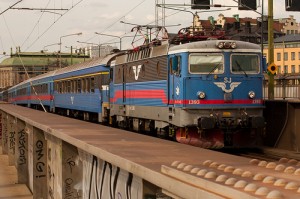
The train takes a little under five hours, run by SJ, with a handful of departures a day. That is competitive with flying once you count the airports, and it is a far more pleasant way to spend the time.
There is a second option now. From 15 June 2026 Snälltåget began running daily between Oslo and Malmö via Gothenburg. That is not the direct Stockholm line, but if your route is flexible it opens up a west coast itinerary that used to be awkward, and competition on any Scandinavian rail corridor tends to bring the fares down.
Book early. Both companies release cheap fares months out and raise them as the train fills, and walk-up prices in Norway and Sweden are punishing.
One practical note: Norway and Sweden are both in the Schengen area, so there is no routine check on this land border. That is a different situation from the Öresund crossing between Denmark and Sweden, where Sweden has checked identity documents since 2016.
Flying
An hour in the air. Both cities are well connected and the fares are often cheap.
The catch is the airports. Arlanda is 40 km from Stockholm, and some cheap tickets land at Skavsta, which is 100 km out. On the Oslo end, Gardermoen has a fast train in, while Torp and Rygge do not. Price the transfers before you compare with the train, because on a five hour rail journey the flight only wins if everything at both ends goes smoothly.
Buses
Coaches take around seven to eight hours and undercut the train, especially at short notice. FlixBus is the operator to look at. Overnight departures exist and save you a night's accommodation, which in Norway is worth more than it sounds.
Driving
Around 530 km on the E18, about six and a half hours. The road runs through Värmland and past Karlstad, and this is one of the Scandinavian drives where stopping is the point rather than an interruption. Lake Vänern, Sweden's largest, is right there.
Two warnings. Norwegian road tolls are automatic, unavoidable and billed to the hire company weeks later with an administration fee on top. And fuel and food on the Norwegian side cost noticeably more than on the Swedish, so fill up and shop before you cross.
The window seat argument
Five hours through Värmland is not a chore. The line runs past lakes and through spruce forest most of the way, and in winter, with snow down and the light going blue in the early afternoon, it is one of the better train rides in Europe for the money.
Which raises the daylight question. In December this journey happens largely in the dark; sunrise in Oslo is around nine and sunset around half past three. In June it never really gets dark at all. Neither is a reason not to go, but it changes what you are buying.
Reservations and passes
Interrail and Eurail passes cover the route. SJ requires a seat reservation on its long-distance trains and that is booked separately from the pass, so a pass alone does not get you aboard.
Luggage is unrestricted, which on a route where the budget airline alternative charges for everything is worth real money.
What it costs once you arrive
Worth saying plainly because it surprises people: Norway is significantly more expensive than Sweden. Restaurant meals, beer and hotels all step up noticeably when you cross the border, and alcohol is both costly and sold through the state monopoly, Vinmonopolet, with limited opening hours.
Swedes have been making shopping trips in the other direction for years for exactly this reason. If you are on a budget, do your eating and drinking on the Stockholm side of the journey.