
Getting from Copenhagen to Gothenburg
· Updated · BootsnAll
 Copenhagen is the Danish capital and gets most of the attention in this corner of Europe. Gothenburg is Sweden's second city, sits on the west coast about 300 km north, and is the better of the two for seafood and for getting out into an archipelago at short notice.
The trip between them crosses a border and a strait, and the train handles both without you having to think about it.
Trains from Copenhagen to Gothenburg
Reckon on three and a half to four hours. Some services run through; on others you change at Malmö, which is ten minutes across the water and an easy connection on the same platform level.
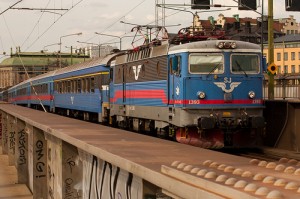
The first leg is Öresundståg across the Öresund Bridge, and the onward run up the Swedish west coast is operated by SJ. Buy the whole thing as one ticket rather than two.
From 15 June 2026 there is a new option worth knowing about: Snälltåget started running daily between Malmö and Oslo via Gothenburg, which gives the route a second operator and, usually, a cheaper floor on the fare.
Book ahead. Scandinavian rail fares work like airline fares, cheap early and expensive late, and the gap is wide.
Your passport, not just your ticket
Sweden has run identity checks on the Öresund crossing since 2016. An EU national ID card is enough for EU citizens. Everyone else needs a passport in hand. It is a thirty second thing if you are ready for it.
Flying
There are flights, and on a route this length they are a waste of your day. Copenhagen Airport sits on the rail line to Sweden, so the moment you have landed you are already most of the way to being on the train. By the time you have got out to a gate, flown, and come back into a city from an airport at the far end, the train has done it.
The exception is if you are connecting from a long-haul flight and Gothenburg is your final stop. Then let the airline carry your bag.
Buses and driving
Coaches run the corridor and are cheaper than the train if you book early, at the cost of an extra hour or so. FlixBus is the obvious name to check.
Driving is about four hours on the E20 and E6, plus the Öresund Bridge toll, which is charged each way and is not small. A car earns its keep here only if you are going to stop along the Swedish coast, which, to be fair, is a good idea: Helsingborg, Mölle and the Kullaberg peninsula are all on the way and none of them are on the fast train.
The old way across, which is still the better way
Before the bridge opened in 2000, everyone crossed between Denmark and Sweden on the ferry from Helsingør to Helsingborg, and that ferry still runs. It takes about twenty minutes, goes frequently, and costs very little on foot.
If you are not in a hurry, this makes a far more interesting route north: train from Copenhagen up the Danish coast to Helsingør, look at Kronborg Castle, which is Hamlet's Elsinore and a genuinely impressive fortress, take the ferry across, and pick up the Swedish train at Helsingborg. You arrive in Gothenburg later and you will remember the day.
Practical notes
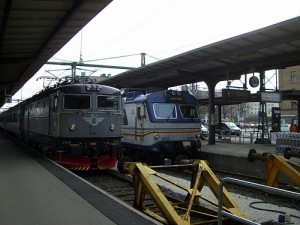
Trains arrive at Göteborg Centralstation, which is in the middle of town next to the Nils Ericson coach terminal, so a bus connection onward is a two minute walk rather than a taxi.
Interrail and Eurail passes cover this route, but the SJ legs need a seat reservation booked separately, and on busy days they sell out before the train does. Book the reservation when you plan the day, not on the morning.
Luggage is the quiet advantage of the train here. There is no weight limit and no charge, which changes the maths against a budget flight the moment you have a large bag.