Getting from Split to Dubvrovnik
· Updated · BootsnAll
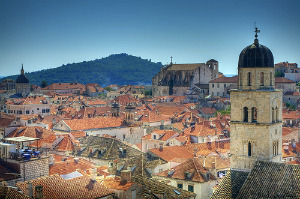
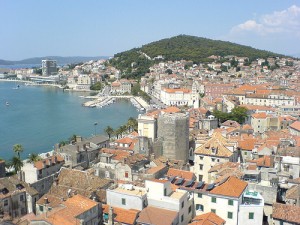
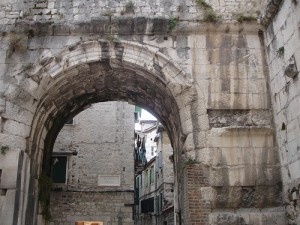 Split and Dubrovnik are the two anchors of the Dalmatian coast. Split is the bigger, working city, built inside and around Diocletian's palace, and has the better transport links. Dubrovnik is the walled city on the water, and is the one everybody has seen photographs of.
They are about 230 km apart along one of the great coast roads in Europe, and getting between them has become considerably simpler.
The bridge that removed a border
For decades the drive from Split to Dubrovnik crossed into Bosnia and Herzegovina and back out again. Bosnia has a short coastal strip at Neum, about nine kilometres of it, which cut Croatia in two, and every bus and car had to clear two border posts each way.
The Pelješac Bridge changed that. It opened in July 2022, runs 2.4 km across the bay to the Pelješac peninsula, cost around 550 million euros with substantial EU funding, and joins southern Dalmatia to the rest of the country by road for the first time.
So: no more border crossings on this journey, no passport check in the middle, and a more reliable journey time. If you are reading older advice about queues at Neum, it no longer applies.
Buses
The bus is the default and it is a good one. Reckon on four to four and a half hours, with frequent departures through the day and more in summer. Several companies run it, including FlixBus and the Croatian operators, and fares are modest.
Sit on the right going south. The road runs along the coast with the islands offshore for most of the way, and it is one of the better bus rides you will take anywhere.
Both bus stations are conveniently placed: Split's is next to the ferry port and a few minutes from the palace, and Dubrovnik's is at Gruž, a short bus ride from the old town.
Ferries and catamarans
In summer, fast catamarans run the coast between Split and Dubrovnik, usually calling at islands on the way, and take around four to five hours. Jadrolinija and private operators both sell them.
This is the better choice if the journey is part of the holiday, and it lets you break the trip at Hvar or Korcula. It is seasonal, roughly late spring to early autumn, and it sells out in August.
The car ferry network is extensive but designed to serve the islands rather than to run the length of the coast quickly.
Flying and driving
There are flights, about 45 minutes, and they make very little sense for a journey the bus does in four hours between two city centres, once you add two airports.
Driving takes three to three and a half hours now the bridge is open. A car is genuinely useful in Dalmatia if you want the small places between the two cities: Omis at the mouth of the Cetina, the Makarska riviera under the Biokovo mountains, Ston with its enormous defensive walls and its oysters.
Parking in Dubrovnik is expensive and the old town is pedestrian-only, so plan to leave the car outside.
A note on money
Croatia adopted the euro on 1 January 2023 and the kuna is gone. Any price you see quoted in kuna is from before then and is out of date.