
Flights to Dubrovnik
· Updated · BootsnAll
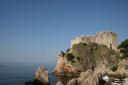 Dubrovnik is a walled city on a rock above the Adriatic, a UNESCO World Heritage Site, and since Game of Thrones used it as King's Landing it has been one of the most visited small cities in Europe. Getting there by air is easy in summer and noticeably harder the rest of the year.
The seasonal problem
This is the single most important thing to understand about flying to Dubrovnik, and most guides skip it.
Dubrovnik Airport runs an enormous seasonal schedule. From roughly May to October there are direct flights from dozens of European cities, with Ryanair, easyJet, Wizz Air, British Airways and the national carriers all operating, and fares that can be very cheap indeed.
From November to March most of that disappears. The airport goes quiet, the direct routes are suspended, and you are looking at a connection through Zagreb, Vienna, Munich, Frankfurt or Istanbul.
So a route that exists when you are dreaming about the trip in July may not exist for the trip you take in February. Check the actual dates rather than the route map.
Getting into the city
The airport is at Cilipi, about 20 km south east of Dubrovnik, near Cavtat.
The airport shuttle bus runs in connection with flights, takes around half an hour to the main bus station at Gruz and then to the Pile Gate at the old town, and costs a few euros. It is the obvious choice for most people. Taxis are available and cost several times as much.
Note that the old town is entirely pedestrian, so whatever you arrive in stops outside the walls. If your accommodation is inside, you are walking the last stretch, possibly up steps, with your bag.
Alternatives to flying direct
Split has a bigger airport with more year-round service, and the bus down the coast takes four to four and a half hours. Since the Pelješac Bridge opened in July 2022 that journey no longer crosses into Bosnia, so it is more reliable than it used to be.
In winter especially, flying to Split and taking the bus is often cheaper and sometimes faster than a connection into Dubrovnik.
Tivat and Podgorica in Montenegro are also within reach, though that route crosses a non-Schengen border.
When to go, and when not to
July and August are hot, extremely crowded and expensive. The old town takes cruise passengers in numbers the city has had to cap, and walking the walls at midday in August is an endurance event.
May, June, September and early October are the answer: warm enough to swim, flights still running, and the streets navigable. Winter is quiet and atmospheric and many restaurants close.
Money and borders
Croatia adopted the euro on 1 January 2023 and joined the Schengen area the same day. Prices quoted in kuna anywhere online are pre-2023 and out of date, and there are no border checks arriving from another Schengen country.