Buenos Aires: Romance on a Budget
· Updated · BootsnAll
 Buenos Aires does romance without trying and without charging much for it. It is a city of late dinners, worn grandeur and a dance invented in its own port district, and almost none of the good parts have a ticket price.
What it costs now
One thing first, because the old advice is obsolete. For years the trick in Argentina was bringing US dollars in cash and changing them at the parallel blue rate, which was worth roughly double the official one.
That ended in April 2025 when the currency controls came off. The gap is now under two percent, so use your card like a normal person. Foreign cards get the MEP rate, and when the machine asks whether to charge in pesos or your own currency, say pesos.
The city remains excellent value for the things that matter here. Dinner with wine at a good parrilla is in the region of 15,000 to 25,000 pesos a head as of 2026, which is a fraction of the equivalent in Europe.
The free half of the city
Walk Recoleta cemetery, which costs little and is extraordinary: streets of marble mausoleums, several storeys of dead aristocracy, cats asleep on the tombs.
The Rosedal, the rose garden in the Palermo parks, has two thousand-odd varieties and a lake with pedal boats. The Japanese garden next door charges a small amount and is the quietest place in the city.
The Floralis Genérica, the giant steel flower near the law faculty, opens its petals in the morning and closes them at dusk, which is the sort of thing that sounds contrived and works anyway.
And El Ateneo Grand Splendid, a 1919 theatre turned into a bookshop with the boxes still in place and a café on the stage. Free to walk into.
Tango without the dinner show
The dinner shows are expensive and are productions for visitors. The alternative is much better and much cheaper.
A milonga is a social dance where locals go to dance with each other. Entry is a few thousand pesos, nobody minds if you sit at the edge and watch all night, and many run a beginners' class before the dancing starts for not much more.
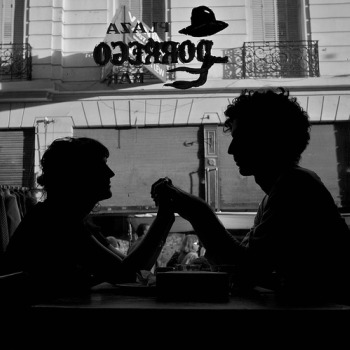
La Catedral in Almagro is the atmospheric one, a cavernous old warehouse. Salón Canning is the serious one. There is also open-air tango in the Plaza Dorrego in San Telmo on Sunday evenings, which is free and unrepeatable.
Eating and drinking well for very little
Dinner starts at nine and nobody is in a restaurant at seven. Bodegones, the old neighbourhood restaurants, serve enormous plates of Italian-Argentine food at prices that feel like a mistake.
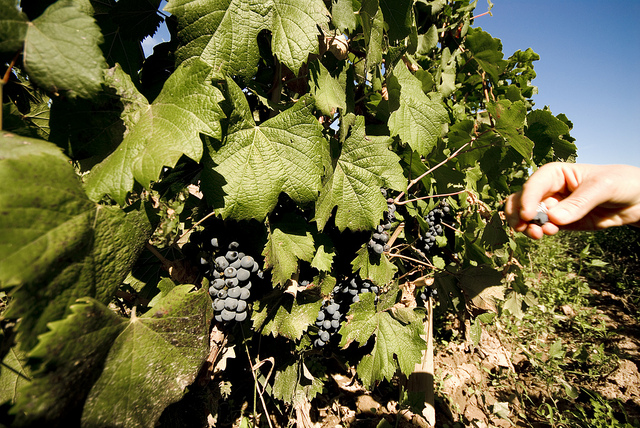
Wine by the glass in a normal bar is cheap and good, because Argentina drinks its own Malbec rather than exporting all of it. Look for Torrontés too, the white from Salta that barely leaves the country.
Ice cream is a genuine institution here, an inheritance from the Italian immigration, and a late walk with a cone of dulce de leche granizado is what half the city does on a warm evening.
A day out
Take the train from Retiro to Tigre, an hour, and get a boat into the Paraná delta: channels, stilt houses and green quiet, an hour from the middle of a city of fifteen million.
Or the ferry across the River Plate to Colonia del Sacramento in Uruguay, an hour by fast boat, a Portuguese colonial town of cobbles and old cars. That is two countries in a day, for the price of a ferry ticket.