Are land mines still dangerous?
· Updated · BootsnAll
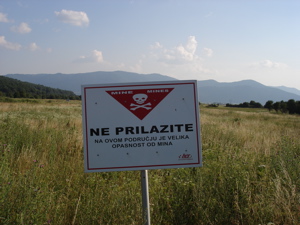 We first asked this question in 2007, when parts of inland Croatia were still fenced off with red skull-and-crossbones signs and the advice to travellers was blunt: stay on marked paths and do not go wandering in the countryside east of the coast.
The answer has changed, and it is worth stating plainly.
Croatia is now mine-free
As of 1 March 2026, there are no remaining landmine-suspected areas in Croatia. More than thirty years after the war of independence ended, the country was officially declared clear following the removal of the last mine.
The numbers behind that are worth sitting with. Croatia's Mine Action Centre cleared 1,807 square kilometres. Over the course of the programme more than 410,000 explosive devices were removed, including about 103,000 anti-personnel and anti-tank mines and roughly 307,000 other unexploded remnants of war. At the end of 2024 there were still 49.3 square kilometres under suspicion; by March 2026 there were none.
The last areas to be cleared were in Lika-Senj, Sisak-Moslavina, Split-Dalmatia and Karlovac counties, mostly mountain and forest rather than farmland, which is why they took longest.
What that means for a traveller
For practical purposes the concern is over. You do not need to plan a Croatian trip around minefields, and the red warning signs that used to line some inland roads have come down.
Two sensible caveats remain, and they are the same ones that apply in any post-conflict country.
Unexploded ordnance is not the same as mines. Old shells and munitions still turn up occasionally in former front-line areas, as they do in France and Belgium a century after the First World War. If you find something that looks like ordnance, do not touch it, note where it is and tell the police.
One border matters, though. Neighbouring Bosnia and Herzegovina has not completed its clearance, and mine-suspected areas remain there. If your trip crosses the border, which plenty do for Mostar and Sarajevo, the old advice still stands on that side: stay on marked paths and roads, and pay attention to warning signs.
The wider picture
Croatia joining the small group of countries that have finished this work is genuinely unusual. Clearance programmes elsewhere are measured in decades still to run, and several of them are going backwards rather than forwards.
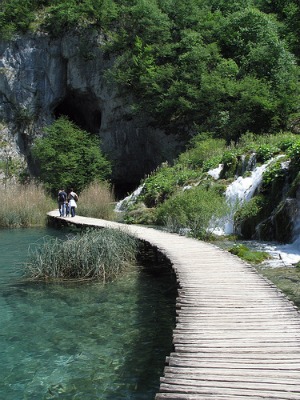
If you were put off inland Croatia by what you read fifteen years ago, the interior is now open to you: Plitvice and the Krka falls, the Lika highlands, the Slavonian plains and the wine country around Ilok. Most visitors never leave the coast, which is exactly why the inland is worth the drive.