10 Days in Portugal: Itinerary Ideas
· Updated · BootsnAll
 Ten days is a good length for Portugal. The country is 560 km long, the trains and buses are decent, and you can see three genuinely different regions without spending the trip in transit.
The commonest mistake is trying to add the Algarve to a Lisbon and Porto trip and ending up with three nights in three places and a lot of motorway. Pick two ends, or go slowly down one side.
The standard route, and it is standard for a reason
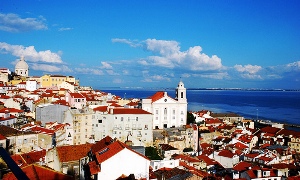
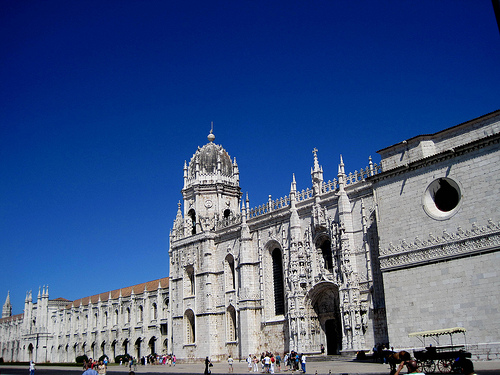
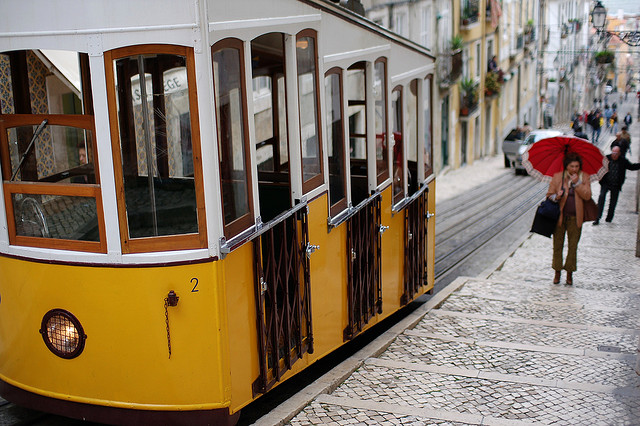
Days 1 to 3, Lisbon. The Baixa, the Alfama, the castle, and a day in Belém for the monastery, the tower and the coach museum. Book Jerónimos ahead.
Day 4, Sintra. Forty minutes by train from Rossio. Book Pena Palace online before you travel: it sells 30 minute timed slots and sells out daily from April to October, and a late arrival forfeits the ticket.
Days 5 and 6, Coimbra or Óbidos. Óbidos is a walled village an hour north of Lisbon and takes an afternoon. Coimbra has the oldest university in Portugal and a baroque library that needs a timed ticket of its own.
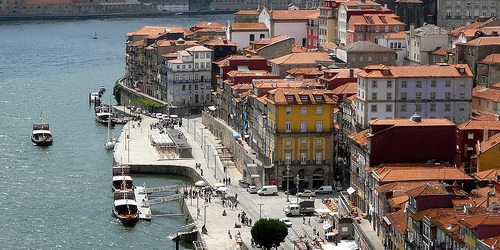
Days 7 and 8, Porto. Three hours from Lisbon by fast train. The Ribeira on the river, the port lodges across the water in Vila Nova de Gaia, and the Livraria Lello, which now charges admission and is worth it only if you like bookshops more than queues.
Days 9 and 10, the Douro. This is the part people leave out and should not. The train from Porto up the Douro valley runs along the river past terraced vineyards and is one of the best rail journeys in Europe. Stay at a quinta, drink the wine where it is made, and come back.
The alternative: go south and slow
If you would rather have coast than cities, invert it.
Three days in Lisbon, then south into the Alentejo. Évora for two nights, a walled town with a Roman temple and a chapel lined with human bones. Monsaraz on its ridge above the Alqueva reservoir, which is a certified dark sky reserve and worth staying up for.
Then the Alentejo coast rather than the Algarve: Porto Covo, Vila Nova de Milfontes, Zambujeira do Mar. Cliffs, empty sand, cold Atlantic, almost no development, because it is a protected natural park. The Rota Vicentina walks along the top of it.
Finish at Sagres and Cape St Vincent, the south western corner of Europe, where the land stops.
This version costs less, involves fewer people and is the one we would do.
Getting around
Trains are good on the Lisbon to Porto spine and in the Douro, and thin elsewhere. Buses cover what the trains do not and are inexpensive.
A car makes sense for the Alentejo and the Douro and is a liability in Lisbon and Porto. If you hire one, understand the electronic tolls: several Portuguese motorways have no booths at all and bill through a transponder, and rental companies add a handling fee that can exceed the tolls.
When to go
May, June, September and October. July and August are hot, and inland in the Alentejo they are very hot, which is why it empties out exactly when everyone else arrives on the coast.
A tourist tax is charged per person per night in Lisbon, Porto and a growing number of municipalities, paid at the accommodation.