10 Days in Argentina: Itinerary Ideas
· Updated · BootsnAll
 Argentina is the eighth largest country in the world and ten days is not very long. The single most common mistake is trying to combine Buenos Aires, Iguazú, Mendoza and Patagonia in one trip, which leaves you with four airports and not much else.
Pick two regions and add the capital. Here are three versions that work.
Version one: Buenos Aires, Iguazú and Mendoza
The classic, and the one most first-timers should do.
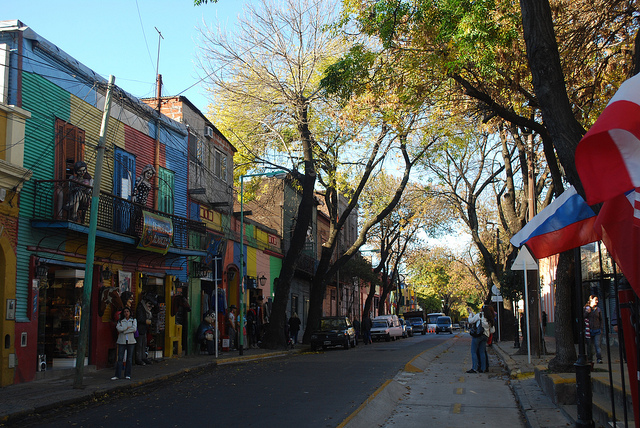
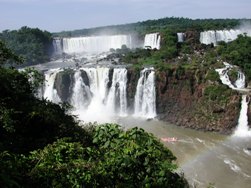
Three days in Buenos Aires for the centre, San Telmo, Recoleta and Palermo. Then fly north to Iguazú for two nights, which is enough for both sides of the falls: the Argentine side has the walkways that take you out over the water at the Devil's Throat, and the Brazilian side has the panorama. The falls are wider than Victoria and taller than Niagara and neither photograph prepares you.
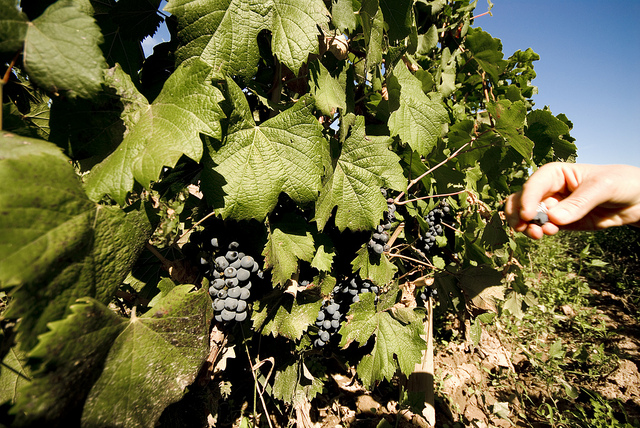
Then fly to Mendoza for three or four nights. Vineyards in the foothills of the Andes, Aconcagua, the highest mountain outside Asia, visible on a clear day, and wine tasting that is cheap enough to do properly. Hire bicycles in Maipú and ride between the bodegas.
Version two: Buenos Aires and Patagonia
Two days in the capital and the rest in the south, because Patagonia does not reward a short visit.
Fly to El Calafate for the Perito Moreno glacier, which is one of the few glaciers in the world not retreating and which calves ice into the lake while you watch. Then on to El Chaltén, three hours by road, the trekking capital, with day walks to Fitz Roy and Cerro Torre that are among the best in South America and need no guide.
This is the expensive version. Patagonian high season is December to February and prices there behave like ski resorts.
Version three: the northwest, which nobody does
Buenos Aires, then fly to Salta and spend a week in the northwest.
Salta itself is a colonial city. From it you reach the Quebrada de Humahuaca, a valley of striped mineral-coloured rock and a UNESCO site; Cafayate, with high-altitude vineyards producing Torrontés; and the Salinas Grandes salt flats.
It is drier, higher, more indigenous and considerably cheaper than the south, and it is the part of Argentina that least resembles Europe.
Getting between places
Distances are the thing. Buenos Aires to Ushuaia is farther than London to Moscow, so internal flights do the heavy lifting and they are the main cost of an Argentine trip. Book them early.
The long-distance buses are the alternative and they are excellent: cama seats that recline almost flat, meals, and overnight runs that save a hotel night. A twelve hour Argentine bus is more comfortable than most European trains.
Money and timing
The currency advice everyone knows is out of date. Argentina lifted its currency controls in April 2025 and the gap between the official and blue rates is now under two percent, so bringing cash dollars is pointless. Use a card, and choose pesos when the terminal asks.
Best months overall are March to May and September to November. December to February is Patagonian season and Buenos Aires at its hottest. June to August is the ski season in the Andes and cold in the south, where many things close.